

Nissan develops body panel material from pineapple leaf fibers
Nissan and FOOD REBORN have created a composite from pineapple leaf fibers, which they plan to use in automotive body panels.
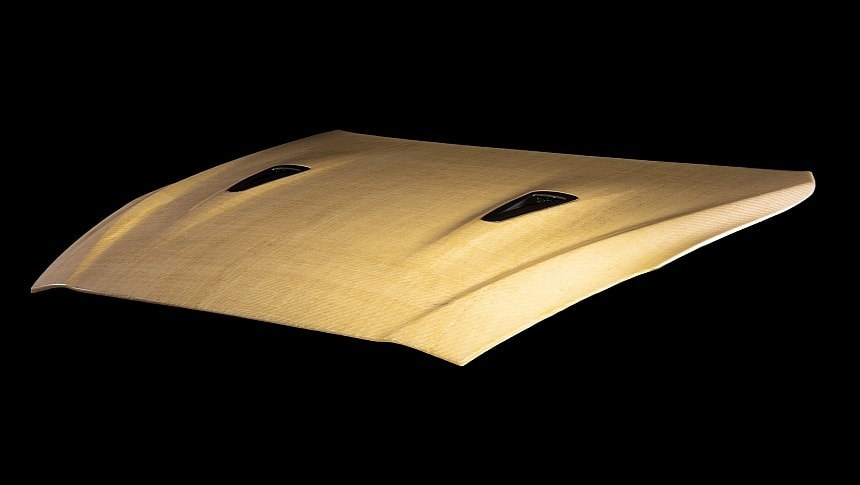
Nissan, in collaboration with the Japanese company FOOD REBORN, has developed a new composite material based on pineapple leaf fibers. To demonstrate the technology, the partners manufactured a hood for the R35 generation GT-R sports car. The development will enable the use of agricultural waste in the production of automotive parts.
The project also aims to address the shortage of eco-friendly composites for motorsports. In some racing categories, modifications to body panels require the use of materials based on natural fibers, but suppliers are few, and the cost of such products is high.
During production, fibers from pineapple leaves are transformed into flat yarn, from which fabric is then made. This fabric serves as the reinforcing component of the composite. According to Nissan, the resulting material has higher tensile strength than traditional flax-based composites. However, test results and detailed characteristics have not yet been disclosed.

Over 50 million tons of pineapple leaves go unused worldwide each year. Nissan is considering the possibility of applying the new material not only in automobiles but also in sporting goods and other products.
The development will be presented at the SAMPE Japan Advanced Materials Technology Exhibition 2026, which takes place from November 18 to 20 in Tokyo. FOOD REBORN will handle the production of the material, utilizing Nissan's technological developments.